Generator installers
Whole-House Generator Installers in Columbus & Central Ohio
From severe weather to an overloaded grid, a reliable whole-house generator keeps your home running when the power goes out. Bryant Heating & Cooling installs and services standby generators — in propane and natural gas — so your lights, appliances, and comfort systems keep working, and your food stays cold, no matter what's happening outside.
Generator services we provide
- Whole-house generator installation
- Standby generator installation
- Home backup generators
- Generator service & maintenance
- Bryant, Honeywell & other brands
Brands we install & service
Standby generators built to last
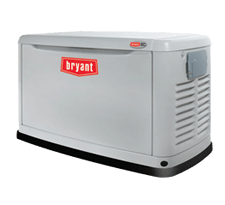
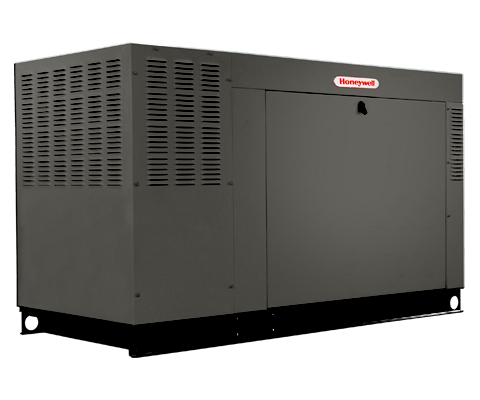
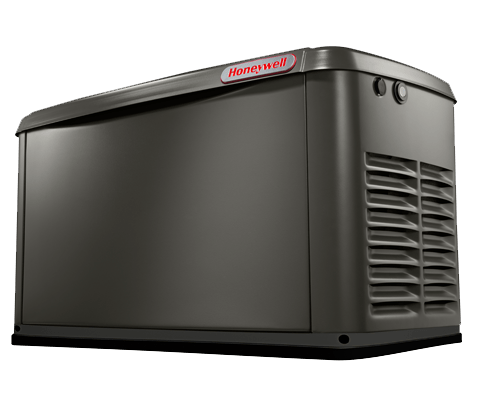
We install and service standby generators from Bryant, Honeywell, and other manufacturers — sized and tuned for your home and fuel source.
About generators
What to know before you buy
Choosing the right size
Not every home needs the same power. A 24kW unit is the ultimate backup for larger homes or farms with multiple freezers and heavy appliances — but many homes do fine with a smaller unit. We calculate the exact wattage for your furnace, AC, and essentials so you don't overpay.
Propane vs. natural gas
Your fuel source affects output. A unit may deliver its full capacity on liquid propane (LP) but typically around 21,000 watts on natural gas. We make sure your system is tuned correctly for your specific fuel source to maximize efficiency.
Quiet, seamless protection
Modern standby generators run quietly — around 57 dB, like a faint hum from inside the house. With a Smart Switch, the system senses a power loss, warms up, and restores power automatically. You don't have to lift a finger.
Smart monitoring with Mobile Link™
Stay connected even when you're away. The Mobile Link app shows your generator's status (green for ready, amber for service), battery voltage, and a history of exercise runs — so you know it's ready for the next storm.
The process
How installation works
- Free load assessment (wattage / circuits)
- Permit & code compliance
- Pad placement & clearance
- Gas connection coordination (NG/LP)
- Transfer switch / smart switch install
- Startup, test & homeowner walkthrough
What we install
- Whole-house standby generators (NG/LP)
- Automatic transfer switches
- Maintenance plans & annual service
- Battery testing & replacement
- Load management options (if applicable)
Pricing
What affects cost
Every install is a little different. The main things that move the price are:
- Generator size
- Fuel type & gas line work
- Electrical panel / ATS complexity
- Permits & placement distance
- Whole-home vs. essential circuits
We'll give you a clear, honest quote after a free load assessment — no guesswork, no pressure.
Serving all of Central Ohio
Get local generator help
Tell us about your home and what you'd want to keep running, and we'll start with a free load assessment. Prefer to talk now? Call 614-855-9010.
Generator FAQs
Frequently asked questions
How big of a generator do I need for my home?
Propane vs natural gas — which is better in Ohio?
How often does a standby generator run an exercise cycle?
How loud is a standby generator?
Do I need a permit in Columbus or my city?
How long can it run during an outage?
Local power-protection experts
Backup power, done right
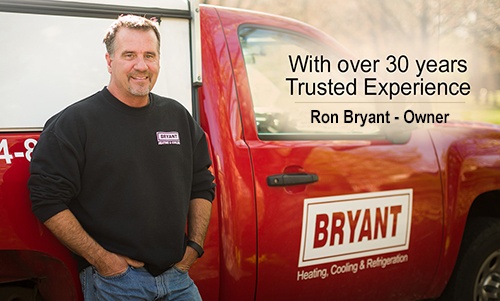
A generator is only as good as its install — sizing, gas, and the transfer switch all have to be right. Ron Bryant has protected Central Ohio homes since 1995, and his team handles the permits, the load calc, and the startup so your backup power just works when the lights go out.
- Veteran-owned since 1995Three decades serving Central Ohio.
- Permits & code handledWe manage inspections so you don't have to.
- Licensed & insuredOhio HVAC license #30745.