How to Use Your HVAC System to Combat Indoor Allergies
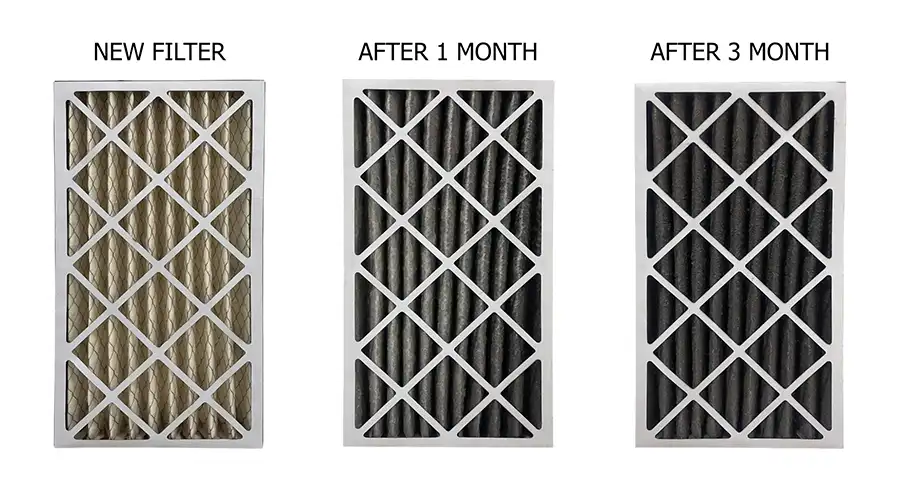
To combat indoor allergies, the single most effective tool you already own is a well-maintained HVAC system. The right filters, balanced humidity, good ventilation, and routine maintenance work together to pull allergens out of your air and keep them from circulating. Here's how to put your system to work.
Understanding indoor allergens
Indoor allergens — pet dander, dust mites, mold spores, pollen, and cockroach droppings — are behind many allergy symptoms. They come mainly from pets, wall-to-wall carpet, soft furniture, damp areas, and bedding, and they tend to settle on surfaces rather than float, which is why regular cleaning matters. High humidity, poor ventilation, and weak air circulation all let allergens multiply and linger. Your HVAC system counters this by filtering the air and keeping it moving, so keeping it well-maintained is central to cleaner indoor air.
Optimize your HVAC system
Start with filter selection: HEPA filters trap tiny particles like dander, pollen, and dust mites, and a higher MERV (Minimum Efficiency Reporting Value) rating improves capture. Pair that with good ventilation — an Energy Recovery Ventilator (ERV) swaps stale indoor air for fresh outdoor air without wasting heating or cooling energy. For mold prevention, a system with dehumidification keeps humidity in check, and keeping levels between 20% and 50% also discourages dust mites. A properly sized, well-functioning system filters, ventilates, and dehumidifies all at once.
Keep up with maintenance
Regular maintenance is what keeps mold, bacteria, and allergens from building up inside the system itself. Change filters at least every three months — more often during high-pollen stretches. Have the coils cleaned, since dirty coils harbor mold and bacteria that then circulate. Schedule professional duct inspection and cleaning to clear accumulated dust and debris. Fix leaks promptly, because trapped moisture breeds mold. And consider a UV-light system, which kills bacteria and mold spores as air passes through.
Humidity control and filtration
The one-two punch is humidity plus filtration. Holding indoor humidity between 20% and 50% inhibits mold and dust mites, and HVAC systems with built-in humidity control adjust automatically. On the filtration side, HEPA media captures up to 99.97% of airborne particles as small as 0.3 microns; upgrading filter quality (or MERV rating) noticeably improves air. Clogged filters can't capture allergens, so change them on schedule.
Extra allergen-control strategies
Beyond the system, hard flooring (hardwood, tile, vinyl) collects far fewer allergens than carpet; damp microfiber dusting captures particles instead of spreading them; keeping humidity under 50% and fixing leaks blocks mold; decluttering removes dust traps; and fragrance-free, natural cleaners avoid adding irritants. For a fuller room-by-room plan, see our guide on reducing indoor allergens in your Columbus home.
Breathe easier
Fine-tune filters, humidity, ventilation, and maintenance and you'll see cleaner air and fewer symptoms. When you're ready for whole-home filtration, a UV system, or an air-quality assessment, explore our indoor air quality services or contact Bryant Heating & Cooling.