Is a High SEER Rating Worth the Investment?
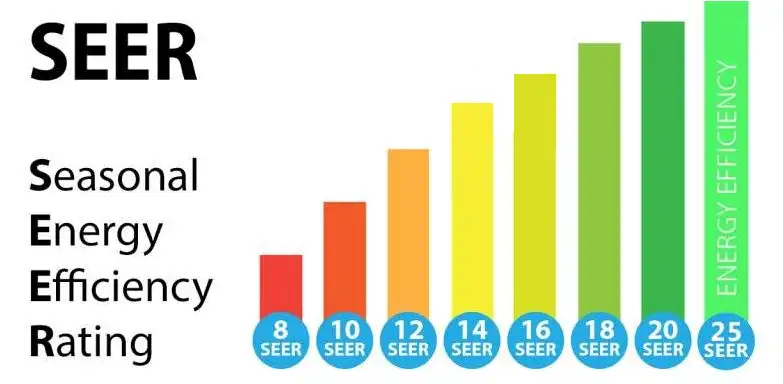
Have you considered investing in a high-SEER air conditioner and wondered whether it's worth it? A high SEER rating can deliver real savings, but several other factors matter too. Here's what Central Ohio homeowners should weigh before choosing an HVAC system.
What is a SEER rating?
SEER stands for Seasonal Energy Efficiency Ratio — it measures an air conditioner's cooling output over a typical season divided by the electricity it uses in that same period. Residential units generally fall on a scale from about 13 to 21+, and a higher number means greater energy savings, lower utility bills, and often improved comfort and reliability. How high to go depends on your climate: in a mild area, 16 SEER may be plenty, while homes that face long stretches of extreme heat may benefit from 18–20+. The right choice balances upfront cost against long-term benefit.
The benefits of a high SEER rating
A higher SEER number translates into meaningful cost savings over time, because these systems use less electricity while delivering the same cooling power — and many utilities offer incentives when you upgrade efficiency. You also get better temperature and humidity control throughout the year, and because high-efficiency systems often have fewer hard-working moving parts, they tend to be reliable and need less maintenance over their lifespan.
Energy efficiency, explained
Because SEER is cooling produced divided by electricity used, a higher number means more cooling for less energy — a step toward a more eco-friendly home. High-SEER air conditioners cost more upfront but are designed for long-term savings and greater reliability. You can stretch those gains further with complementary steps like adding insulation around windows and doors or replacing aging appliances with ENERGY STAR-certified models.
Cost savings over time
The most obvious savings come from reduced utility costs: high-efficiency units use less electricity and produce more cooling, which can add up to hundreds of dollars a year depending on your usage and local rates. There's an environmental payoff too, since a more efficient system reduces wasteful consumption. For most homeowners, a high-SEER air conditioner is an investment in long-term savings — financially and environmentally.
Frequently asked questions
What is the maximum SEER rating available?
Residential systems generally run from about 13 SEER up to 21+ SEER, with a handful of premium variable-speed units reaching into the low-to-mid 20s. The right target depends on your climate, home size, and how long you plan to stay — higher isn't always better once payback is factored in.
Are there any drawbacks to a high SEER rating?
The main drawback is the higher upfront cost for both the equipment and, sometimes, the installation. In a mild climate or a home you won't keep long, the energy savings may not fully recover that premium. Insulation, duct condition, and local weather all affect whether the investment pays off.
How much more does a high-SEER unit cost than a low-SEER unit?
High-SEER units typically cost more upfront for the equipment and may involve additional labor for their more complex components. Many states and utilities offset this with rebates or tax credits, and the higher efficiency lowers monthly bills — so the gap often narrows over the life of the system.
Does a high-SEER unit last longer?
Often, yes. Higher-rated systems tend to use more advanced components and run with less strain to reach the same temperatures, which can reduce wear on parts like fan motors and compressors and extend overall lifespan when properly maintained.
Is a high SEER rating worth it for your home?
For most Central Ohio homeowners who plan to stay in their home and want lower summer bills, the answer is usually yes — especially given today's rising energy rates. The smartest move is to weigh the upfront premium against your climate, how long you'll stay, and available rebates. If you'd like a straight answer for your specific home, talk to us about a new AC installation and we'll help you find the right balance.