How Heating and Cooling Systems Work
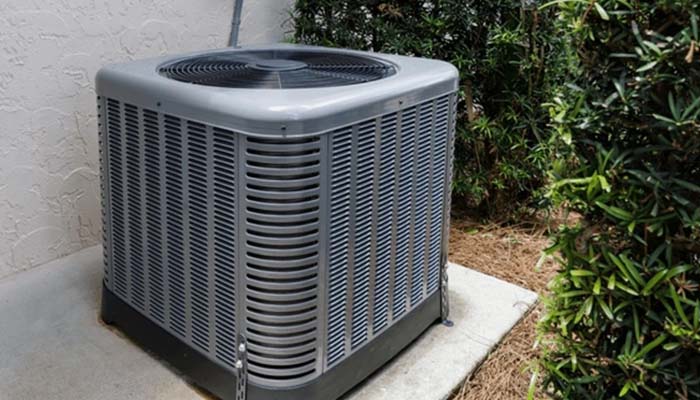
Staying comfortable in every season depends on having a reliable heating and cooling system. Behind the quiet hum of a furnace or air conditioner is a coordinated setup that moves warm or cool air throughout your home. Understanding how these systems work can help you make informed decisions, recognize early issues, and know when to call for air conditioner repair or furnace repair.
How heating and cooling systems work (overview)
A central HVAC system (heating, ventilation, and air conditioning) regulates the temperature inside your home. When your thermostat notices the indoor temperature drifting from your chosen setting, it signals the system to turn on. The equipment then warms or cools air and pushes it through ductwork to maintain consistent comfort.
Main components of an HVAC system
Thermostat
The thermostat is the control center. Adjusting the temperature tells the system when to heat or cool your home. Smart thermostats can learn your schedule and help improve efficiency.
Furnace and air handler
A furnace burns natural gas, propane, or electricity to create heat. The heat exchanger warms the air, and a blower pushes it through ducts. If you ever need help selecting or replacing a furnace, learn more about furnace installation. An air handler works with a central air conditioner or heat-pump-style system to circulate air through your home.
Air conditioner
A central air conditioner uses an outdoor condenser and an indoor evaporator coil. It pulls heat out of your home and releases it outside. Learn more about AC repair services.
Heat pump
A heat pump can cool the home in summer and reverse operation to provide heat in winter.
Ductwork and vents
Ducts distribute conditioned air throughout the home. Supply vents deliver warm or cool air, and return vents pull air back into the system. Proper duct sealing helps improve efficiency.
How central cooling works
When the thermostat calls for cooling, the indoor unit pulls warm air through a filter and across the evaporator coil. The refrigerant inside the coil absorbs heat and moisture, then travels outdoors where the condenser releases that heat. If your system isn't cooling properly, consider scheduling an air conditioner inspection.
How central heating works
Furnaces and heat-pump-style systems heat homes differently. A furnace burns fuel to create heat, and the blower distributes it through ducts. If you're comparing furnace options, see furnace installation details. Heat-pump-style systems pull warmth from the outdoor air and move it indoors, working best in moderate climates.
What is the most efficient HVAC system?
Efficiency depends on the equipment and your climate. High-efficiency furnaces, geothermal systems, and certain air-source systems all offer strong performance. Your home's ductwork, insulation, and layout also play a role.
What is an air conditioner and heater combo called?
A combined heating and cooling unit is called a heat pump. It cools in summer and reverses operation to heat in winter.
How much should a new heating and cooling system cost?
Costs vary based on home size, equipment type, and installation requirements. Typical ranges include:
- Air conditioners: $3,500–$8,500
- Heat-pump-style systems: $4,000–$10,000
- Furnaces: $3,000–$6,500
For cost-comparison explanations, see What Is the $5,000 Rule for HVAC?
Preparing for HVAC installation
Before installation, evaluate the size and needs of your home, hire licensed and reputable technicians, and plan for filter changes and yearly maintenance. To learn more about new AC installs, visit air conditioner installation.
Choosing the right system for your home
Climate, existing ductwork, budget, and long-term efficiency goals determine which system is best. For a deeper understanding of system capacity, read Are Heating and Cooling System BTUs the Same?
Maintaining efficiency year-round
Keeping your equipment efficient comes down to simple steps:
- replace or clean filters
- keep vents clear
- have seasonal tune-ups
- maintain consistent temperatures
- improve insulation
If your system stops unexpectedly, you can request emergency AC repair. For general service or questions, contact Bryant Heating & Cooling.