Is Installing a Nest Thermostat Worth It for My Energy Bill? | Central Ohio HVAC
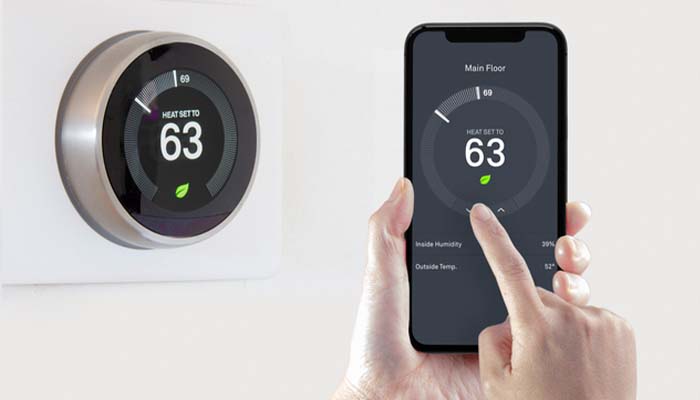
Heating and cooling account for nearly half of the average home's energy use, so it's no surprise many homeowners ask: is installing a Nest worth it for my energy bill? With electricity and natural gas prices rising, smart thermostats have become a popular upgrade for better comfort and lower monthly costs. The Google Nest promises to learn your habits, optimize your schedule automatically, and help cut heating and cooling expenses — but is it really worth it? Below, we break down the benefits, drawbacks, installation costs, real savings, and fees, plus how a Nest works alongside your HVAC equipment.
What are the negatives of Nest?
Before deciding, it helps to understand the potential downsides:
- Higher upfront cost — Nest thermostats cost more than many competitors.
- May require a C-wire — some HVAC systems need a common wire for constant power; if your home doesn't have one, installation may require extra wiring.
- Compatibility limits — older furnaces, certain multi-zone systems, and high-voltage equipment may not be compatible without adapters.
- Learning curve — Nest takes one to two weeks to learn your schedule, and temperature swings may occur during that time.
- Wider temperature swing — Nest allows a roughly 3°F swing, which may bother homeowners sensitive to fluctuations.
- Extra sensors cost more — multi-room control requires additional sensors.
None of these are deal-breakers, but they're important to know before purchasing.
Are Nest thermostats worth the money?
For most homeowners, yes — Nest thermostats tend to pay for themselves through energy savings. Independent studies show Nest users typically save 10–12% on heating and around 15% on cooling, which for many households equals $120–$150+ per year. People find Nest worth the upgrade for its smart scheduling (it learns your habits and adjusts automatically), remote control from your phone, motion sensing that knows when you're home or away, energy-history reports, and maintenance alerts when something's wrong with your HVAC system. For an in-depth look at thermostat efficiency, the U.S. Department of Energy has a helpful guide on programmable thermostats and smart temperature control.
How much does it cost to install a Nest thermostat?
- typical professional installation: $100–$200
- if a C-wire is needed: add $75–$200
- DIY installation: free — Nest provides step-by-step instructions in the app
- with HVAC work: some companies install Nest at a discount during system upgrades
If your HVAC system is older or you're unsure about wiring, it's safer to hire a pro. Many homeowners combine Nest installation with an air conditioner inspection to ensure everything works together efficiently.
Is there a monthly charge for a Nest thermostat?
Good news: Nest does not require a monthly fee. Included for free are the Nest app, remote temperature control, learning schedules, Home/Away automation, energy-history reports, and HVAC alerts. There's an optional Nest Renew Premium ($10/mo) for renewable-energy credit participation, but it isn't required.
Heating and cooling services and smart thermostat benefits
A Nest can lower your energy bill — but only if your HVAC system is running efficiently. Pairing a smart thermostat with regular professional maintenance gives the best results: better scheduling fine-tunes your system runtime; during annual air conditioning service and repair, techs ensure Nest settings match your equipment; less runtime means longer equipment life and fewer breakdowns; and Nest alerts you to unusual temperature drops or rises for early problem detection. If your AC or furnace is older, consider discussing Nest compatibility during any air conditioner installation estimate.
So, is installing a Nest worth it for your energy bill?
For most homeowners, yes. The Nest offers meaningful yearly savings, improves comfort, and gives you smarter control over your home's heating and cooling. There are no monthly fees, installation is straightforward, and the long-term savings often outweigh the upfront cost. For best results, pair your Nest with a properly maintained HVAC system, an annual air conditioner inspection, and professional service when needed. Whether you're cooling through an Ohio heatwave or warming through a winter cold snap, Nest helps you manage comfort efficiently — and put real savings back in your wallet.